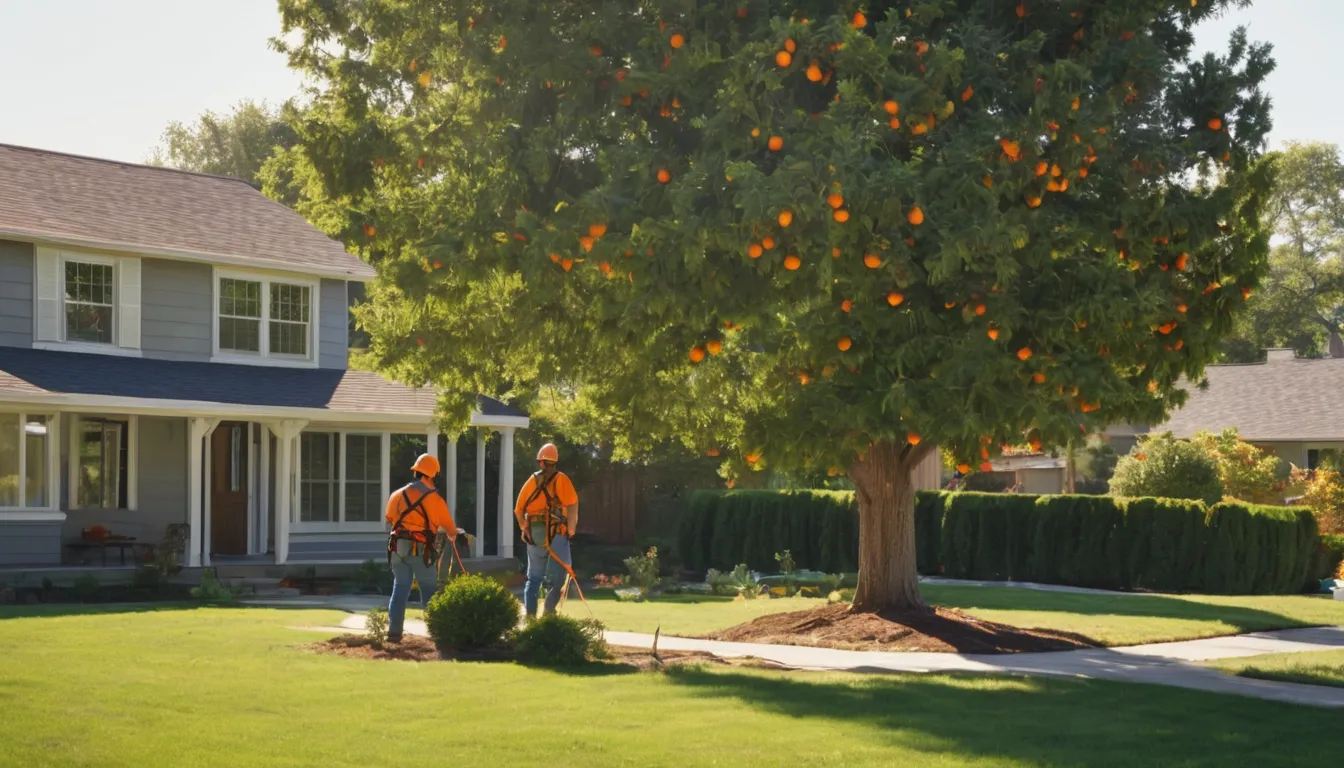
A tree that leans, splits, or sits too close to the house is a safety problem, and it is also a scheduling problem. Most households cannot lose a week to phone calls and waiting. This page explains what to do first, what to avoid, and how to request an estimate from a local provider.
Glorysections Tree Service is a referral service. It does not cut or haul trees. Independent providers in our network do the work, and you decide which provider and plan fit your home. Get your photos and notes ready, and the whole process moves faster for homes in Grandview and the Grandview area.
Is This Tree a Hazard or a Project?
Start with one question. Could this tree hurt someone or damage the house in the next storm? If yes, treat it as urgent. If no, you have time to plan.
Urgent signs include a fresh lean, roots lifting out of the soil, large cracks in the trunk, and big dead limbs over a roof, driveway, or play area. Calm planning beats a rushed decision, but waiting too long can cost more.
Do This First, Avoid This Mistake
Safety first, then schedule. These steps keep your family out of trouble while you wait for a provider.
- Do keep children, pets, and cars away from the tree and its drop zone.
- Do stay clear of any wires touching or near the tree.
- Do take photos from a safe distance.
- Do not climb the tree or cut it yourself with a ladder and a chainsaw.
- Do not hire anyone who knocks on your door right after a storm and asks for cash up front.
Request a callback to check provider availability in your area. Hours vary by provider.
When a Storm Brings a Tree Down
Severe thunderstorms and hail can snap limbs or topple whole trees. If a tree is on the house or blocking an exit, move everyone to a safe room and treat it as a hazard. Storm tree clearance and emergency tree removal have their own page, so read that one if the tree has already fallen.
Reasons Households Remove Trees
Storms are only one reason. Many people call about trees that are dead, diseased, or leaning toward the house. Others want to clear space for an addition, a driveway, or a safer yard for kids.
Some roots crack walkways or press on foundations. In homes with full basements and sump pumps, roots near drains or footings are worth a closer look.
How Tree Removal Works
The process is simple when you know the order.
Request and Review
You send photos and a few notes. A provider in the network reviews them and may visit the property to see access, height, and hazards.
Plan and Quote
The provider explains how the tree will come down. A tree falling service might drop a small tree in one piece. A tight lot usually needs sectional cutting, with ropes or a crane.
The Work Itself
A crew cuts the tree in controlled sections. Limbs are cut up and brush is usually chipped or hauled, depending on what you agreed to.
What Affects the Price
Cost depends on height, trunk width, access, and how close the tree is to the house or power lines. Hard-to-reach backyards cost more. So does a tree that is dead and brittle.
Ask what the quote includes. Haul-away, cleanup, and stump work are sometimes priced separately. Get the quote in writing. The table on this page shows typical U.S. ranges, and your job may differ.
Permits and Local Rules
Some cities and neighborhoods protect certain trees by size or species. Trees near a property line, a street, or a protected area may need a permit. Some homeowner associations have their own rules.
Do check with your city or town before work starts. Ask the provider whether they handle permit paperwork or leave it to you. Do not assume a shared boundary tree is yours alone to remove.
Photos and Notes Ready
This step saves the most time. Before you request an estimate, gather:
- Two or three photos of the whole tree, plus close-ups of damage.
- A photo showing what is near it, such as the house, fence, or wires.
- Rough height, trunk size, and the date you first noticed the problem.
- Any gate width, slope, or pool that may block equipment.
Keep these in one folder on your phone. They help providers quote more accurately and help if you talk to your insurer.
Talking to Your Insurer
Some policies may cover sudden damage from a fallen tree, but many do not cover removal of a healthy tree. Check your policy. Providers can often help document damage for a claim, so ask for a written description of the work and the date it was done.
Choosing a Provider
Compare at least two written estimates if you have time. Look at what each one covers, not just the total.
- Ask whether the provider carries liability insurance and workers' compensation, and ask to see proof.
- Ask who will be on site and how the tree will be taken down.
- Be careful with anyone who pushes you to decide on the spot.
Plan Around Your Week
Busy households need a clear window. Tell the provider about school drop-offs, remote work calls, naps, and pets. Ask for an arrival window, and ask what happens if rain or wind pushes the date back.
Tree work is loud. If someone works nights or has a baby at home, say so when you book.
Getting Ready for Removal Day
- Move cars out of the driveway and away from the work area.
- Clear patio furniture, toys, and grills from the drop zone.
- Keep children and pets indoors, and close the windows facing the work.
- Mark sprinkler heads, drain lines, and anything buried that could be damaged.
- Make sure someone can answer questions from the provider.
After the Tree Comes Down
Walk the yard with the provider. Check that the debris, wood, and sawdust are handled as agreed. Look for lawn damage and ask about reseeding.
Keep your receipt, photos, and notes together. Fill the hole properly if a stump is removed, since spring flooding can pool water in low spots. If a stump remains, stump grinding is a separate step with its own page and its own quote.
Weather and Timing
Cold winters with deep frost can make the ground firm for heavy equipment, which can protect your lawn. Hot, humid summers are fine for most jobs. Wet spring ground is the hardest on turf, so ask about mats and access.
What's Included
Safe Tree Takedown
Providers in the network cut trees in controlled sections or whole, based on the lot, tree height, and nearby hazards.
Debris Cleanup
Ask providers about brush, logs, and sawdust. Many can chip or haul it away when it is part of the quote.
Hard-Access Jobs
Tight backyards, slopes, and trees near wires may call for ropes or cranes, so ask about them upfront.
Written Estimates
Request a clear quote that lists the work, cleanup, and stump options so you can compare plans with confidence.
Typical Tree Removal Costs
These are typical U.S. ranges, and your local price will vary by tree size, access, and risk. Use them to plan, then get a written quote from the provider before you agree to anything.
| Job type | Typical range | Notes |
|---|---|---|
| Small tree, easy access | $150 – $500 | Short trees, open yard, few hazards |
| Medium tree | $400 – $1,200 | Common backyard trees, standard equipment |
| Large tree | $1,000 – $3,000 | Tall trunks, tight space, sectional cutting |
| Crane-assisted removal | $2,000 – $5,000 | Near buildings or lines, hard access |
| Fallen tree on structure | $1,500 – $5,000 | Depends on damage and how safe access is |
| Debris haul-away | $100 – $400 | Sometimes included, sometimes added on |
How It Works
Gather Photos Safely
Take photos and notes from a safe distance, and keep everyone away from the tree.
Request an Estimate
Send the details through the estimate form, or Request a callback to check provider availability in your area.
Compare Written Quotes
Review scope, cleanup, and proof of insurance before choosing a provider.
Schedule the Work Window
Pick a time that fits your week, then prepare the yard and driveway.
Why Call Glorysections Tree Service
Safety Advice
Clear do and do not guidance helps you keep your family safe while you wait for a provider.
Less Phone Tag
Send one request and reach independent providers without chasing down several companies.
Records Ready
Photos and notes make estimates clearer and help if you talk with your insurer.
Your Choice
You pick the provider and plan that fit your home and schedule.
Other Services
Need tree removal in Grandview?
Describe your tree, share a few photos and ask about provider availability. Request a callback or send a request, and a local provider can follow up to plan the job around your schedule.
No obligationTree Removal FAQ
How much does tree removal cost?
Typical U.S. prices range from a few hundred dollars for a small tree to several thousand for a large or hard-to-reach one. Height, access, and nearby hazards drive the price, so get a written quote.
Do I need a permit to remove a tree?
Sometimes. Some cities and neighborhoods protect certain trees by size, species, or location, and some associations have their own rules. Check with your city or town first, and ask the provider about permit paperwork.
Will homeowners insurance cover tree removal?
Some policies may cover sudden damage, such as a tree falling on a house, but often not routine removal of a healthy tree. Check your policy and keep photos. Providers can often help document damage for a claim.
Get in touch
Describe your tree, share a few photos and ask about provider availability. Request a callback or send a request, and a local provider can follow up to plan the job around your schedule.
No obligation