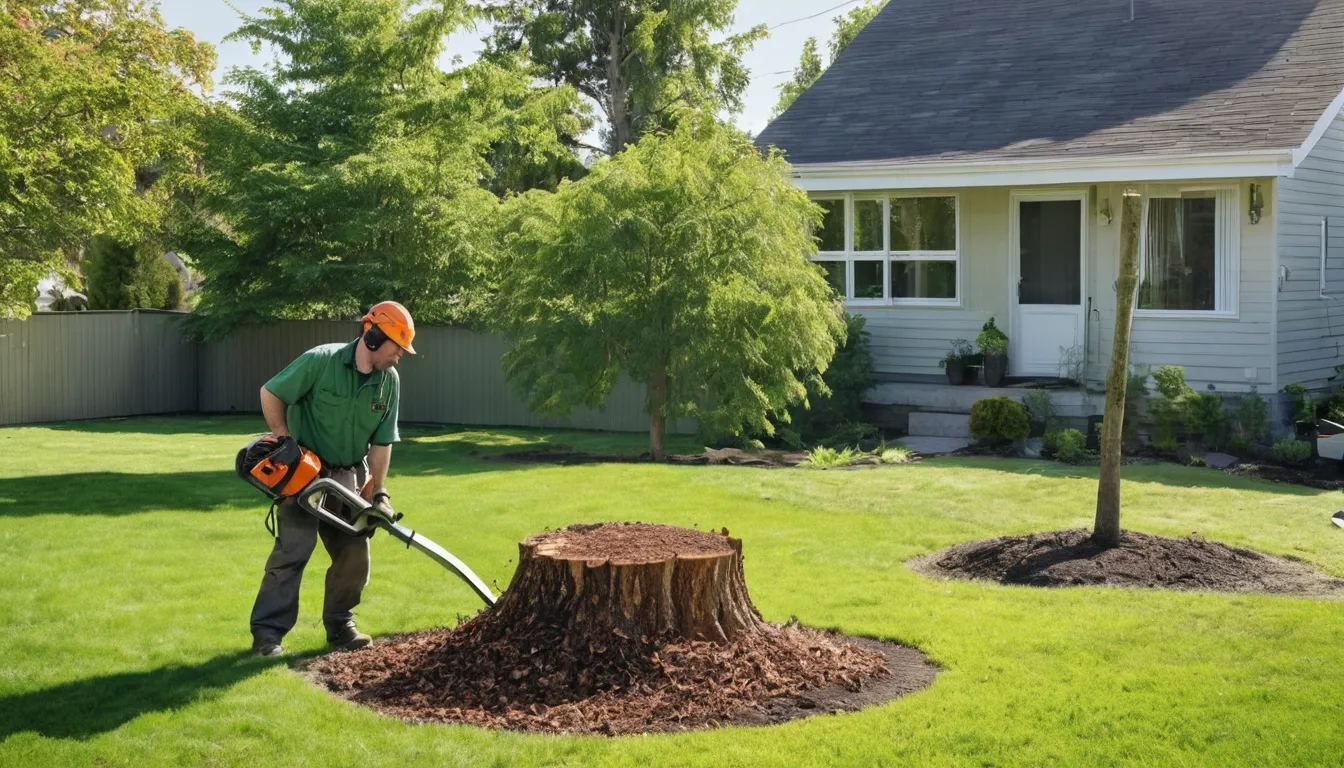
A stump is easy to ignore until someone trips on it, the mower hits it, or it starts to rot and attract pests. Stump grinding uses a machine to chip the wood down below ground level, so you can reseed, plant, or build over the spot. Glorysections Tree Service does not do the work. It connects you with independent providers in our network.
Safety first, then schedule. Take a few photos, note where the stump sits, and write down anything buried nearby, like a sprinkler line or cable. With photos and notes ready, a local provider can give you a clearer written quote. Many homes in the Grandview area have older yards with roots, utilities, and tight side access, so good details help a lot.
Old stump in the yard? Start here
A stump looks harmless. It is not always harmless. It can trip a child, damage a mower blade, and slowly turn into a home for insects. If you are busy, it also sits on your to-do list for years.
Stump grinding is the usual fix. A provider in our network brings a grinder, cuts the wood down below the soil line, and leaves wood chips behind. This page walks you through what to expect, what to do, and what to avoid.
Why a leftover stump is a problem
Most people deal with a stump only after it causes trouble. It is easier to act before that happens.
Trip and mower hazards
A low stump is hard to see in tall grass or after snow. Kids, guests, and pets can fall over it. Mowers and trimmers can kick up chunks of wood.
Rot, pests and regrowth
Decaying wood can attract ants, termites, and beetles. Some species also send up fresh shoots from the roots. In hot, humid summers, a rotting stump can spread fast.
How stump grinding works
The provider positions a grinder with a spinning cutting wheel at the stump. The wheel sweeps back and forth and chips the wood away in layers.
How deep it goes
Most grinding reaches several inches below ground. Ask for a specific depth if you plan to plant a new tree or lay a patio. Deeper grinding takes longer and may cost more.
What is left behind
You get a mound of mulch-like chips mixed with soil. Some providers haul it away. Others leave it for you to use as garden mulch or to fill the hole.
Stump grinding versus full stump removal
Grinding removes the stump but leaves most of the roots to decay underground. Full removal digs out the stump and major roots. It is more disruptive and usually costs more.
Grinding fits most yards. Full removal may make sense if you plan to pour a foundation or run a new line through that spot. Tell the provider your plans so they can suggest the right method.
What affects the price
Prices vary by job. These are the usual factors:
- Stump width. Bigger stumps take more time.
- Number of stumps. Several in one visit often cost less per stump.
- Access. Narrow gates and steep yards slow the work.
- Roots. Large surface roots need extra passes.
- Cleanup. Hauling chips adds to the quote.
Always ask for a written quote that lists what is included.
Photos and notes ready
Photos help providers quote more accurately. Take a wide shot of the stump and a close shot with a tape measure or ruler beside it. Note the gate width and any fences in the way.
Getting ready for grinding day
A little prep keeps the visit short and keeps your week on track.
Do
- Mark sprinkler heads, pet fences, and buried lines you know about.
- Move cars, toys, and patio furniture away from the work area.
- Keep children and pets indoors while the machine runs.
- Ask about utility marking if you are unsure what is underground.
Do not
- Do not try to rent a grinder and run it without training.
- Do not burn the stump or pour chemicals on it without checking local rules.
- Do not stand close to the grinder to watch. Flying chips and stones are real hazards.
Stumps left after storm tree clearance
After severe thunderstorms or hail, a tree falling service or storm tree clearance crew may cut the trunk and leave the stump behind. That is normal. The urgent part is getting the fallen tree safe and moved. The stump can wait for a calmer week.
Once the yard is stable, book grinding when the ground is workable. Frozen soil and spring flooding can slow equipment, so ask the provider about timing.
Plan around your week
Grinding is often one of the quicker yard jobs. Many stumps take under an hour once the machine is set up. Ask the provider for an arrival window and what they need from you. Request a callback to check provider availability that fits a school run or work schedule.
What to do after grinding
Walk the area once the provider leaves. Look for loose stones and deep holes. Keep kids and pets off until the chips settle.
Then choose one of these:
- Spread the chips as mulch.
- Add topsoil and seed the spot.
- Wait a few weeks, then plant. Fresh chips can pull nitrogen from the soil.
Questions to ask the provider
Bring a short list to your first conversation:
- How deep will you grind?
- Is cleanup of the chips in the price?
- How do you protect lawns and pipes near the stump?
- Are you insured for property damage?
- What is the arrival window?
Safety first, then schedule
A stump is a small job with real risks if done carelessly. Choose a provider who explains the plan clearly, gives a written quote, and respects your property. Glorysections Tree Service helps you reach providers in our network, but you decide who fits your home and your week.
What's Included
Stump Grinding
A provider chips the stump down below ground level using a specialized grinder.
Root Flare Work
Surface roots that cause trips or block mowing can be ground down along with the stump.
Chip Cleanup Options
Ask whether the provider leaves the wood chips for mulch or hauls them off the property.
Multiple Stumps
Several stumps in one visit can save you time, and many providers price them together.
Typical stump grinding costs
Stump grinding prices vary by size, access, and root spread. These typical U.S. ranges are a starting point. Request an estimate and get the final price in writing before work begins.
| Item | Typical range | Notes |
|---|---|---|
| Small stump (under 12 in.) | $100 – $200 | Easy access and few surface roots |
| Medium stump (12–24 in.) | $150 – $400 | Most residential stumps fall here |
| Large stump (over 24 in.) | $300 – $700 | Extra time and multiple passes |
| Minimum service fee | $100 – $250 | Applies to very small or single jobs |
| Hard access or slopes | $50 – $200 extra | Narrow gates, fences, steep yards |
| Chip hauling and backfill | $75 – $300 | Depends on volume and distance |
How It Works
Take photos
Snap wide and close photos of the stump, measure its width, and note anything buried nearby.
Request an estimate
Tell us the stump size and your yard access so a provider can quote.
Pick a plan
Compare written quotes, ask your questions, and choose a time that fits your week.
Grinding day
The provider grinds the stump, cleans up as agreed, and reviews the finished spot with you.
Why Call Glorysections Tree Service
Safety-first guidance on this page
We explain what to do and what to avoid so you can talk with providers with confidence.
Plans for busy homes
Choose the timing that fits your family schedule and daily routine.
Records ready
Photos and notes help providers quote clearly and avoid surprises later.
Your choice
You compare providers and pick the plan that fits your yard.
Other Services
Need stump grinding in Grandview?
Describe your tree, share a few photos and ask about provider availability. Request a callback or send a request, and a local provider can follow up to plan the job around your schedule.
No obligationStump Grinding FAQ
How long does stump grinding take?
Many stumps take under an hour once the machine is in place. Large stumps, wide root flares, or hard access can take longer. Ask the provider for a time estimate when you get your written quote.
Can I plant grass or a new tree right after stump grinding?
You can often seed grass soon after. For a new tree, many providers suggest removing most chips or mixing in fresh soil first. Ask what they recommend for your yard and soil.
Does homeowners insurance pay for stump grinding?
Some policies may cover sudden damage, such as a storm-felled tree, but routine grinding is often not covered. Check your policy, and ask providers to help document damage for a claim.
Get in touch
Describe your tree, share a few photos and ask about provider availability. Request a callback or send a request, and a local provider can follow up to plan the job around your schedule.
No obligation